

Why Every Business Needs a Professional Website in 2020
March 15, 2020
Web Design Trends That Are Shaping the Future of Business Online
June 10, 2021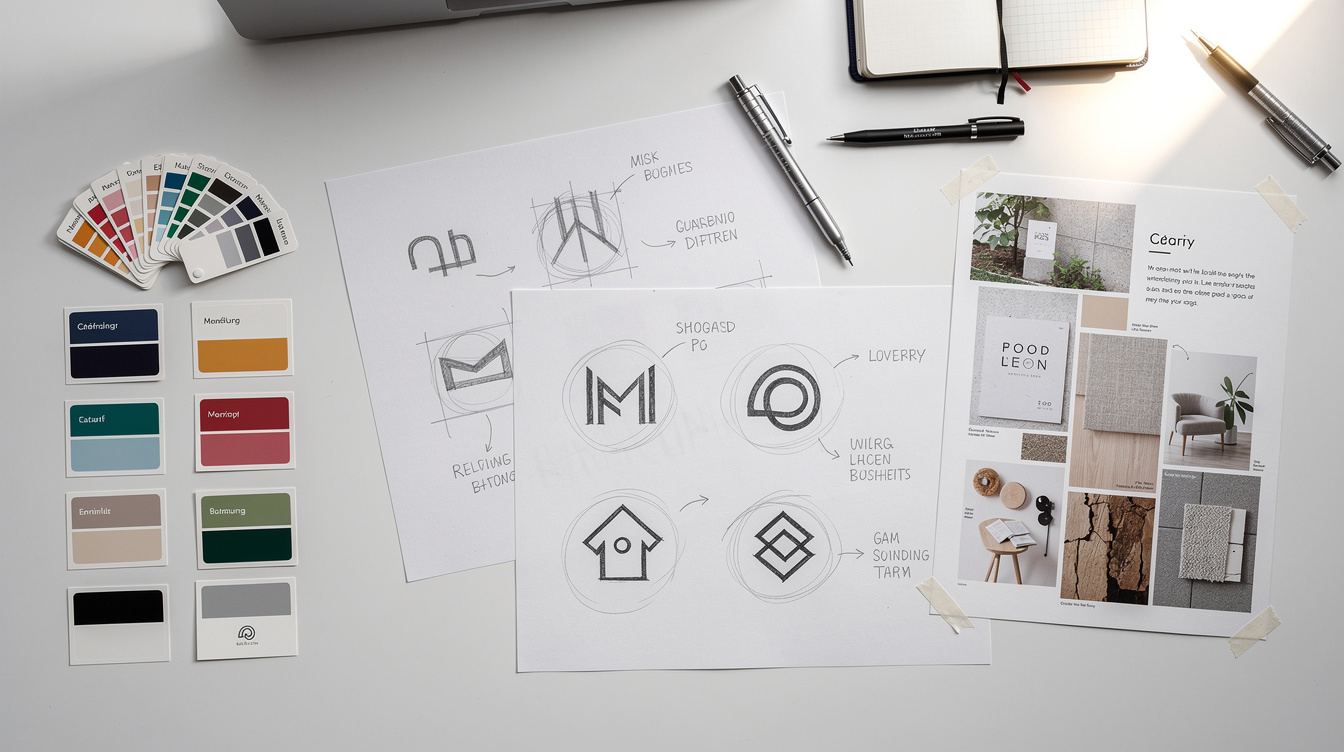
Branding Is So Much More Than a Logo
When most people think of branding, they picture a logo. Maybe a color scheme. Perhaps a catchy tagline. While all of these are important components, they barely scratch the surface of what branding truly encompasses. Your brand is the complete experience someone has with your business. It is the feeling they get when they see your name, the expectations they have before interacting with you, and the memories they carry long after the transaction is complete.
Think about the brands you love and trust. What comes to mind is not just a symbol or a font. It is a collection of associations, emotions, and experiences that have been carefully cultivated over time. That is the power of genuine branding, and it is available to businesses of every size, not just multinational corporations with massive marketing budgets.
Your visual identity is the most immediately recognizable expression of your brand. It includes your logo, color palette, typography, imagery style, layout patterns, and every other visual element that people associate with your business. When these elements work together cohesively, they create a powerful and memorable impression that sets you apart from everyone else in your market.
Building a brand that drives revenue requires intentionality and strategy. It is not enough to pick some colors you like and slap together a logo in an afternoon. Effective branding requires understanding your audience, defining your values, articulating your unique value proposition, and translating all of that into visual and verbal expressions that resonate deeply with the people you want to reach. Having a strong professional website is the foundation where your brand lives online.
First Impressions Are Made in Milliseconds
Research consistently shows that people form first impressions in as little as 50 milliseconds. That is 0.05 seconds. In that tiny sliver of time, a visitor to your website, a recipient of your business card, or a viewer of your advertisement has already decided whether your business looks professional, trustworthy, and worth their attention.
This is why visual identity matters so enormously. Your brand’s visual elements are the first things people encounter, and they set the tone for every interaction that follows. A polished, cohesive visual identity communicates competence, attention to detail, and professionalism. An inconsistent or amateurish visual identity communicates the opposite, regardless of how excellent your actual products or services may be.
Consider walking into two different restaurants. The first has a beautifully designed menu, elegant table settings, thoughtful lighting, and staff in coordinated uniforms. The second has a photocopied menu with clip art, mismatched furniture, harsh fluorescent lighting, and employees in random street clothes. Before you have tasted a single bite of food, you already have strong expectations about the quality of each establishment. That is the power of visual identity in action.
The same principle applies to every touchpoint of your business. Your website, your social media profiles, your email templates, your packaging, your storefront, your vehicle wraps, your presentation slides: every single visual element either reinforces or undermines the impression you want to make. Consistency across all these touchpoints is what builds a truly powerful brand.
Consistency Builds Trust, and Trust Builds Revenue
Trust is the currency of business. People buy from businesses they trust, recommend businesses they trust, and remain loyal to businesses they trust. And one of the most effective ways to build trust is through consistent branding.
When your visual identity is consistent across every platform and touchpoint, it sends a powerful message: this business is organized, reliable, and professional. Conversely, when your branding is inconsistent (different colors on your website than your business card, a different logo on your social media than your storefront, varying tones in your marketing materials) it creates a sense of disorder that erodes confidence.
Brand consistency has been shown to increase revenue by up to 23% according to research from various marketing studies. This makes intuitive sense. When people recognize and remember your brand easily, they are more likely to choose you when they are ready to buy. When your branding is forgettable or confusing, you are essentially starting from scratch with every interaction.
Creating a comprehensive brand style guide is essential for maintaining this consistency. Your style guide should document every aspect of your visual identity: exact color codes (hex, RGB, CMYK), approved logo variations and usage rules, typography specifications, imagery guidelines, spacing and layout rules, and tone of voice. This document becomes the bible for anyone who creates materials for your business, ensuring that every piece of content reinforces your brand rather than diluting it.
The Psychology of Color in Branding
Color is one of the most powerful tools in a brand designer’s arsenal because it communicates on an emotional level that bypasses rational thought. Different colors trigger different psychological responses, and understanding these associations allows you to choose a palette that aligns with the feelings you want your brand to evoke.
Blue, for example, is associated with trust, stability, and professionalism. This is why it is the dominant color in the financial services and technology sectors. Red evokes passion, urgency, and excitement, making it popular for food brands and clearance sales. Green suggests growth, health, and environmental consciousness. Yellow conveys optimism and energy. Purple implies luxury and creativity.
But color psychology is not a simple formula. Cultural associations, personal experiences, and context all influence how colors are perceived. A shade of red that feels energetic and appetizing for a restaurant brand might feel aggressive and alarming for a healthcare provider. The key is to choose colors that align with both your brand personality and your target audience’s expectations.
Your color palette should include primary colors (one or two dominant hues that define your brand), secondary colors (complementary hues that add variety and flexibility), and neutral colors (for backgrounds, text, and supporting elements). This structured approach ensures that your designs always look cohesive while giving you enough variety to create visually interesting materials.
Typography Speaks Volumes Before a Single Word Is Read
The fonts you choose for your brand are just as important as your color palette, yet typography is often an afterthought in the branding process. This is a missed opportunity, because typefaces carry their own emotional weight and can significantly influence how your message is received.
Serif fonts (those with small decorative strokes at the ends of letters) tend to convey tradition, authority, and sophistication. They are popular with law firms, financial institutions, and luxury brands. Sans serif fonts (clean, stroke free letterforms) suggest modernity, simplicity, and accessibility. They dominate the technology sector and are widely used in digital contexts where readability on screens is paramount.
Script and handwritten fonts can add personality and warmth but must be used carefully to maintain legibility. Display fonts are designed for large headlines and can make bold statements, but they should never be used for body text. The most effective brand typography systems combine two or three complementary typefaces: typically a display or heading font that makes a strong visual impression and a body font optimized for extended reading.
Font selection should also consider practical requirements. Your chosen typefaces need to work across all platforms and mediums: print, web, mobile, signage, and more. They should be available in multiple weights (light, regular, bold) to provide flexibility, and they should render clearly at various sizes. A beautiful headline font that becomes illegible at small sizes is a liability, not an asset.
The Return on Investment of Professional Branding
Some business owners view branding as an expense, something nice to have when the budget allows. In reality, professional branding is one of the highest return investments a business can make. The numbers support this consistently.
Brands that present themselves consistently across all platforms experience significantly higher visibility and recognition. This recognition translates directly into customer preference. When faced with a choice between a well branded option and an unknown or poorly branded alternative, consumers overwhelmingly choose the brand they recognize, even if the unknown option offers better value.
Premium pricing is another direct benefit of strong branding. Well branded businesses can charge more for identical products and services because consumers perceive greater value in a professional, established brand. Think about the difference in price between generic store brand products and their branded counterparts. The contents may be virtually identical, but the branded version commands a premium because of the trust and associations that come with the brand name.
Customer loyalty and advocacy are perhaps the most valuable long term benefits of strong branding. Loyal customers cost less to retain than new customers cost to acquire, and they tend to spend more over time. They also become advocates for your brand, recommending you to friends, family, and colleagues. This word of mouth marketing is the most powerful and cost effective form of advertising, and it is driven almost entirely by the strength of your brand.
Investor and partner attraction is another often overlooked benefit. A strong brand signals a serious, well managed business. Potential investors, strategic partners, and top talent are all more likely to engage with a business that presents itself professionally. Your brand is often the first thing these stakeholders evaluate, and a strong impression can open doors that would otherwise remain closed.
Branding in the Digital Age
The digital landscape has fundamentally changed how brands interact with their audiences. Social media, websites, email, online advertising, and content marketing all provide opportunities to express and reinforce your brand identity. But they also present challenges: the need for speed, the demand for constant content, and the risk of diluting your brand across too many platforms.
Successful digital branding requires adapting your visual identity for different contexts while maintaining core consistency. Your Instagram presence might have a more casual, visually driven feel than your LinkedIn profile, but both should be unmistakably connected to the same brand. Your email newsletters might have a more personal tone than your website, but the visual elements should be consistent.
Content marketing is one of the most powerful branding tools available today. By consistently creating valuable content that reflects your brand’s expertise and values, you build authority and trust over time. Blog posts, videos, podcasts, infographics, and social media content all contribute to your brand story and help you connect with your audience on a deeper level.
The digital age has also democratized branding. Small businesses now have access to the same platforms and tools that were once exclusive to major corporations. A small local business with a strong brand and smart digital strategy can compete effectively with much larger competitors. The playing field has never been more level. Explore how AI tools are revolutionizing branding and marketing for even more ways to level up your brand presence.
Building a Brand That Lasts
The most valuable brands in the world did not become iconic overnight. They were built through years of consistent effort, strategic decision making, and unwavering commitment to their core identity. While trends come and go, a well constructed brand stands the test of time because it is rooted in genuine values and authentic connections with its audience.
Start with your story. Every business has one, and it is one of your most powerful branding assets. Why did you start your business? What problem are you solving? What drives you to show up every day and do what you do? When you can articulate your story authentically, it becomes the emotional foundation of your brand.
Define your audience clearly. The more specifically you understand who you are trying to reach, the more effectively you can craft a brand that resonates with them. Trying to appeal to everyone results in a bland, generic brand that appeals to no one. The most successful brands have a clear understanding of their ideal customer and design every aspect of their identity to speak directly to that person.
Invest in professional design. Your visual identity is too important to leave to chance or to tools that generate generic results. A skilled brand designer will take the time to understand your business, your audience, and your goals before creating a visual system that is uniquely yours. This investment pays for itself many times over through increased recognition, trust, and revenue.
Finally, commit to consistency. Develop your brand guidelines, share them with everyone who touches your marketing, and enforce them rigorously. Consistency is what transforms a collection of visual elements into a powerful, recognizable brand. It is the compound interest of the branding world: small, consistent deposits of brand equity that grow into something truly valuable over time. For a look at where this all leads, read about building your digital empire through the integration of brand, web design, and technology.
Taking the Next Step
If your business does not yet have a cohesive, professional brand identity, now is the time to invest in one. The longer you operate without strategic branding, the more opportunities you miss to make meaningful connections with your audience, differentiate yourself from competitors, and build the trust that drives long term revenue growth.
Branding is not a one time project. It is an ongoing commitment to presenting your business in the best possible light at every touchpoint. But it begins with a solid foundation: a well designed visual identity that captures who you are, what you stand for, and why people should care. Build that foundation, maintain it with discipline, and watch as your brand becomes one of the most valuable assets your business owns.