The Power of Branding: How Your Visual Identity Drives Revenue
September 22, 2020
How SEO Can Transform Your Small Business Online Presence
January 18, 2022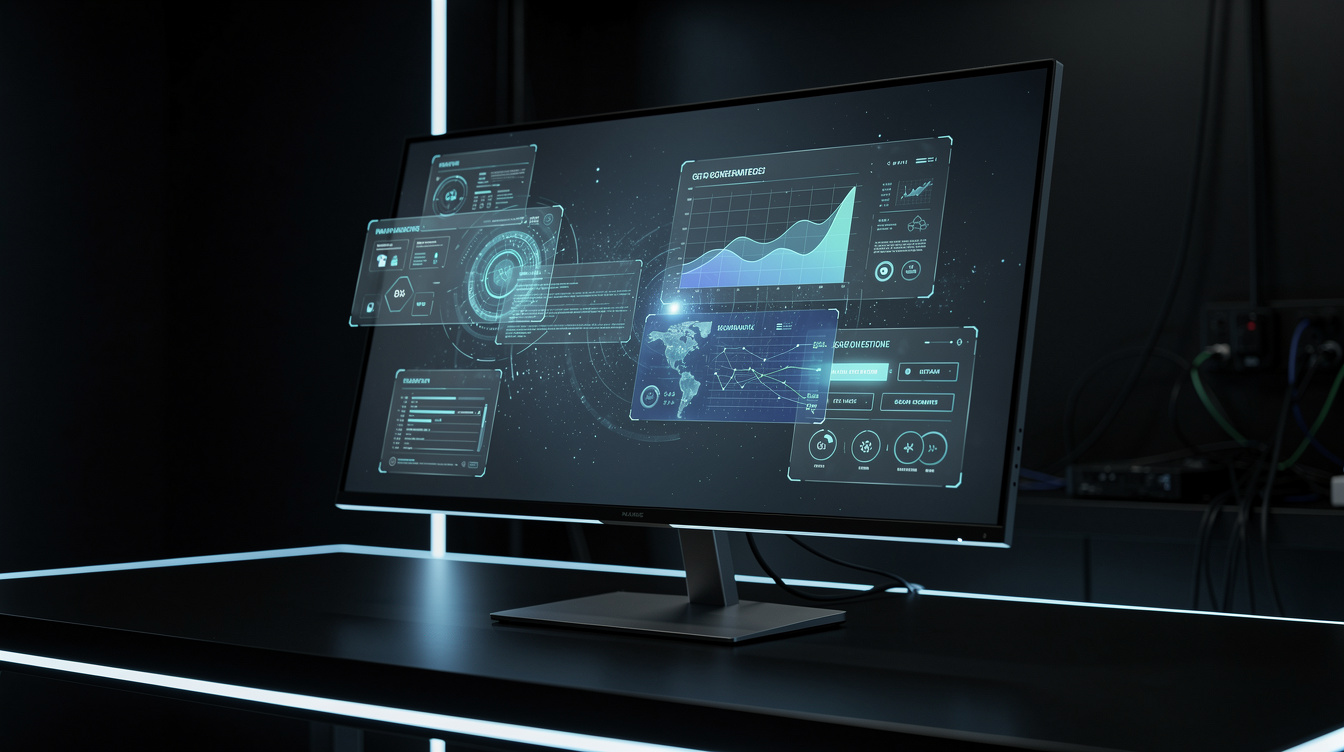
The Digital Landscape Is Evolving Faster Than Ever
The world of web design is in a constant state of transformation. What looked cutting edge two years ago can feel dated today, and businesses that fail to keep pace with design trends risk looking out of touch to their increasingly design savvy audiences. But staying current is not about chasing every fleeting fad. It is about understanding which trends represent genuine shifts in how people interact with the web and adopting those that will serve your business and your users well.
Web design trends emerge from the intersection of technological capability, user behavior, aesthetic movements, and business needs. When new browser features make previously impossible layouts achievable, when user research reveals changing preferences, when cultural shifts influence visual tastes, or when business requirements demand new functionality, the design landscape evolves. The businesses that thrive are the ones that evolve with it.
Understanding these trends matters for a very practical reason: your website is often the first and most frequent point of contact between your business and your customers. If it looks and feels outdated, visitors will unconsciously assume that your products, services, and thinking are outdated too. Conversely, a modern, thoughtfully designed website signals that your business is current, innovative, and invested in providing the best possible experience. As we explored in our discussion of how visual identity drives revenue, these impressions translate directly into business results.
Dark Mode: From Novelty to Necessity
Dark mode has evolved from a niche preference into a mainstream design consideration that no serious web designer can ignore. Major operating systems, applications, and websites now offer dark mode options, and a significant percentage of users prefer this darker interface for daily browsing.
The appeal of dark mode goes beyond aesthetics, although the sleek, sophisticated look is certainly part of the attraction. Dark interfaces reduce eye strain in low light environments, can significantly extend battery life on devices with OLED screens, and often make content elements like images and colored text pop more dramatically against the darker background.
For web designers, implementing dark mode effectively requires more than simply inverting colors. True dark mode design involves carefully selecting background shades (pure black can actually be harsh; dark grays are often more comfortable), ensuring sufficient contrast ratios for accessibility, adjusting image treatments so they integrate seamlessly with the darker palette, and rethinking shadow and depth effects that rely on lightness and darkness.
Progressive businesses are offering dark mode as a user preference toggle on their websites, allowing visitors to choose the viewing experience that works best for them. This attention to user preference demonstrates that your business cares about individual comfort and accessibility, which are values that resonate strongly with modern consumers.
Micro Interactions: The Details That Delight
Micro interactions are subtle, purposeful animations and responses that occur when a user takes an action on your website. A button that subtly changes color when hovered over. A loading indicator that entertains while content loads. A notification badge that bounces gently to draw attention. A form field that confirms valid input with a small checkmark animation. These tiny details may seem insignificant individually, but collectively they transform a static website into a living, responsive experience.
The power of micro interactions lies in their ability to provide feedback, guide behavior, and add personality to digital interfaces. When a user clicks a button and it responds with a satisfying animation, they feel confident that their action was registered. When a navigation menu slides smoothly into view instead of appearing abruptly, the experience feels polished and intentional. When a scrolling animation reveals content in a visually engaging way, users are more likely to continue exploring.
Implementing micro interactions effectively requires restraint and purpose. Every animation should serve a function, whether that is providing feedback, guiding attention, indicating system status, or reinforcing brand personality. Gratuitous animation that serves no purpose quickly becomes annoying and can actually degrade the user experience. The goal is to enhance usability and delight users, not to showcase technical capability for its own sake.
Performance is also a critical consideration. Animations that are not optimized can slow down page rendering and create a janky experience, particularly on lower powered devices or slower connections. Modern CSS animations and Web Animations API provide hardware accelerated options that run smoothly without taxing the browser, making it possible to add polish without sacrificing performance.
Asymmetric and Broken Grid Layouts
For years, web design was dominated by rigid grid systems that organized content into neat, predictable columns and rows. While grids remain essential for structure and readability, a growing trend toward asymmetric and broken grid layouts is injecting creativity and visual interest into web design.
Asymmetric layouts deliberately break the expected symmetry of traditional designs. Elements may overlap, text might extend outside its container, images could be positioned at unexpected angles, and whitespace might be distributed unevenly. When executed skillfully, these designs feel dynamic, artistic, and memorable. They stand out in a sea of template based websites that all look fundamentally the same.
This trend is particularly effective for creative industries, luxury brands, and businesses that want to communicate innovation and boldness. A portfolio website for a graphic designer that uses a perfectly conventional grid layout would be a missed opportunity to demonstrate creativity. An architecture firm’s site that plays with spatial relationships and unexpected layouts mirrors the innovative thinking clients expect from their buildings.
However, asymmetric design must be approached with skill and intention. Breaking the grid without understanding why grids exist in the first place leads to chaos, not creativity. The most successful asymmetric designs still have an underlying logic and structure; they simply express it in less obvious ways. Readability, usability, and content hierarchy must never be sacrificed for the sake of visual novelty.
Speed and Performance as Design Priorities
Website performance has always mattered, but it has now become a first class design consideration that influences every decision from layout to imagery to functionality. Users expect pages to load almost instantly, and they will abandon a site that keeps them waiting. Google has made page speed a significant ranking factor, meaning slow websites are penalized in search results. The business case for performance optimization is overwhelming.
Modern web design treats performance not as a technical afterthought but as a core design constraint. Designers are choosing efficient animation techniques, optimizing images at the design stage, using modern image formats like WebP and AVIF that offer superior compression, and designing layouts that minimize the amount of data that needs to load before the page becomes usable.
Lazy loading, where images and other heavy content load only as the user scrolls to them, has become standard practice. Skeleton screens that show the layout structure while content loads provide a sense of speed even before everything is fully rendered. Code splitting and progressive loading ensure that critical content appears first while less important elements load in the background.
The Core Web Vitals metrics introduced by Google have given designers and developers specific, measurable targets for performance. Largest Contentful Paint measures how quickly the main content loads. First Input Delay measures how quickly the site responds to user interaction. Cumulative Layout Shift measures visual stability as the page loads. Meeting these benchmarks is now essential for both search ranking and user satisfaction. Understanding how SEO transforms your online presence includes mastering these technical fundamentals.
Accessibility: Designing for Everyone
Web accessibility has moved from a niche concern to a mainstream design imperative. The recognition that websites should be usable by people with disabilities, including visual, auditory, motor, and cognitive impairments, is not just ethically right. It is also legally required in many jurisdictions and beneficial for all users.
Accessible design principles improve the experience for everyone, not just users with disabilities. Clear color contrast makes text easier to read for all users, including those browsing in bright sunlight. Keyboard navigation benefits power users who prefer efficiency over mouse clicking. Descriptive alt text for images helps users on slow connections understand content before images load. Logical heading structures help all users scan and understand content quickly.
The Web Content Accessibility Guidelines provide a comprehensive framework for building accessible websites. Key principles include perceivability (content must be presentable in ways all users can perceive), operability (interface components must be operable by all users), understandability (content and interface must be understandable), and robustness (content must be robust enough to be interpreted by various assistive technologies).
Forward thinking businesses are going beyond minimum compliance to embrace accessibility as a competitive advantage. An accessible website reaches a larger audience, provides a better experience for all users, demonstrates social responsibility, and reduces legal risk. As the population ages and as awareness of accessibility needs grows, this trend will only become more important.
Artificial Intelligence in the Design Process
Perhaps the most transformative trend in web design is the integration of artificial intelligence into the design process itself. AI is changing how websites are designed, built, and optimized, and the implications for businesses are profound.
AI powered design tools can now generate layout suggestions based on content analysis, recommend color palettes that align with brand guidelines, and even create entire page designs from rough wireframes or text descriptions. While these tools are not replacing human designers, they are dramatically accelerating the design process and enabling designers to explore more options in less time.
On the user experience side, AI enables personalization at a scale that would be impossible manually. Websites can now adapt their content, layout, and recommendations based on individual user behavior, preferences, and context. A returning visitor might see different featured products than a first time visitor. A user browsing from a mobile device in the evening might see a different design treatment than someone on a desktop during business hours.
AI is also revolutionizing how websites are tested and optimized. Machine learning algorithms can analyze user behavior data to identify usability issues, predict which design changes will improve conversion rates, and automatically run multivariate tests that would take humans weeks to configure and analyze. This data driven approach to design optimization means that websites are getting better, faster, based on actual user behavior rather than guesswork. For a deeper dive into this topic, read our article on the rise of AI in web design and what it means for your business.
Looking Ahead: Design as a Business Strategy
The trends shaping web design today share a common thread: they all recognize that design is not merely decoration but a strategic business tool. Performance optimization drives search rankings and conversions. Accessibility expands your audience and reduces legal risk. Micro interactions build engagement and brand affinity. AI personalization increases relevance and conversion rates.
For business owners, the key takeaway is that investing in modern, trend aware web design is not a vanity project. It is a strategic decision that directly impacts your bottom line. The businesses that embrace these trends thoughtfully, implementing the ones that align with their goals and audience, will have a significant competitive advantage in the years ahead.
The future of web design is exciting, dynamic, and full of opportunity. By staying informed about emerging trends and working with designers who understand both the creative and strategic dimensions of web design, you position your business to thrive in an increasingly digital world. The question is not whether to invest in modern web design. The question is how quickly you can start.